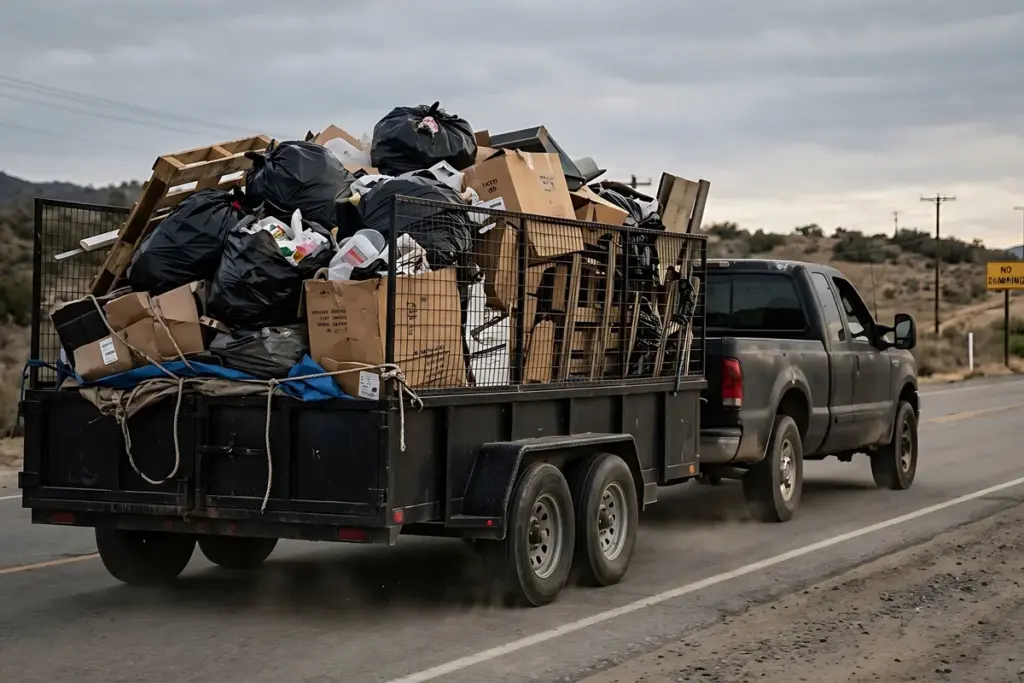
New York City runs on rules, and if you’ve ever tried to handle junk hauling in NYC on your own, you’ve probably discovered that hauling debris, furniture, or construction waste isn’t as simple as tossing it in a truck and driving away. The city has a layered set of regulations that govern how waste gets removed, who can legally do it, and where it ultimately ends up. Understanding these rules before you book a service, or attempt a DIY cleanout, can save you from fines, headaches, and a whole lot of wasted time.
Not Every Truck You See Is Allowed to Haul Your Stuff
This surprises a lot of people. In New York City, anyone operating a commercial waste hauling business is required to hold a license issued by the Business Integrity Commission, commonly known as the BIC. This agency was created specifically to regulate the trade waste industry after decades of corruption and illegal dumping that plagued the city. If a hauler doesn’t carry BIC licensing, they’re operating illegally, and that matters more than you might think.
When an unlicensed hauler picks up your junk, you have zero visibility into where it goes. Illegal dumping is still a serious problem across the five boroughs, and property owners can sometimes be held responsible if waste from their address is traced to an illegal dump site. It’s not a risk worth taking to save a few dollars. Always ask for proof of licensing before anyone loads a single piece of furniture onto their truck.
Reputable companies serving all five boroughs, including operations that have built their reputation on transparent, licensed service, make this information readily available. If a hauler hesitates when you ask about their credentials, that’s your answer right there.
The Sidewalk Rules That Catch People Off Guard
One of the most common mistakes New Yorkers make during a cleanout is piling items on the sidewalk and assuming that’s perfectly fine. Sometimes it is. Often, it isn’t.
The city allows residents to put out bulk items for sanitation pickup, but there are strict rules about timing, placement, and what qualifies. Large furniture can only be placed out on specific collection days, and items left out at the wrong time can result in a sanitation violation, which carries a real fine. Construction and renovation debris is a completely different category. That material cannot simply be left on the curb. It requires a licensed contractor or hauler to remove it properly, and mixing it with regular household trash is a violation.
If you’re doing any kind of apartment renovation, office cleanout, or post-construction cleanup, hiring a professional service isn’t just convenient, it’s the legally correct move. You can get a better sense of what a full-service cleanout actually looks like by reading through this guide to stress-free apartment cleanouts in NYCwhich breaks down the process in practical terms.
Electronics, Hazardous Materials, and the Items You Can’t Just Throw Away
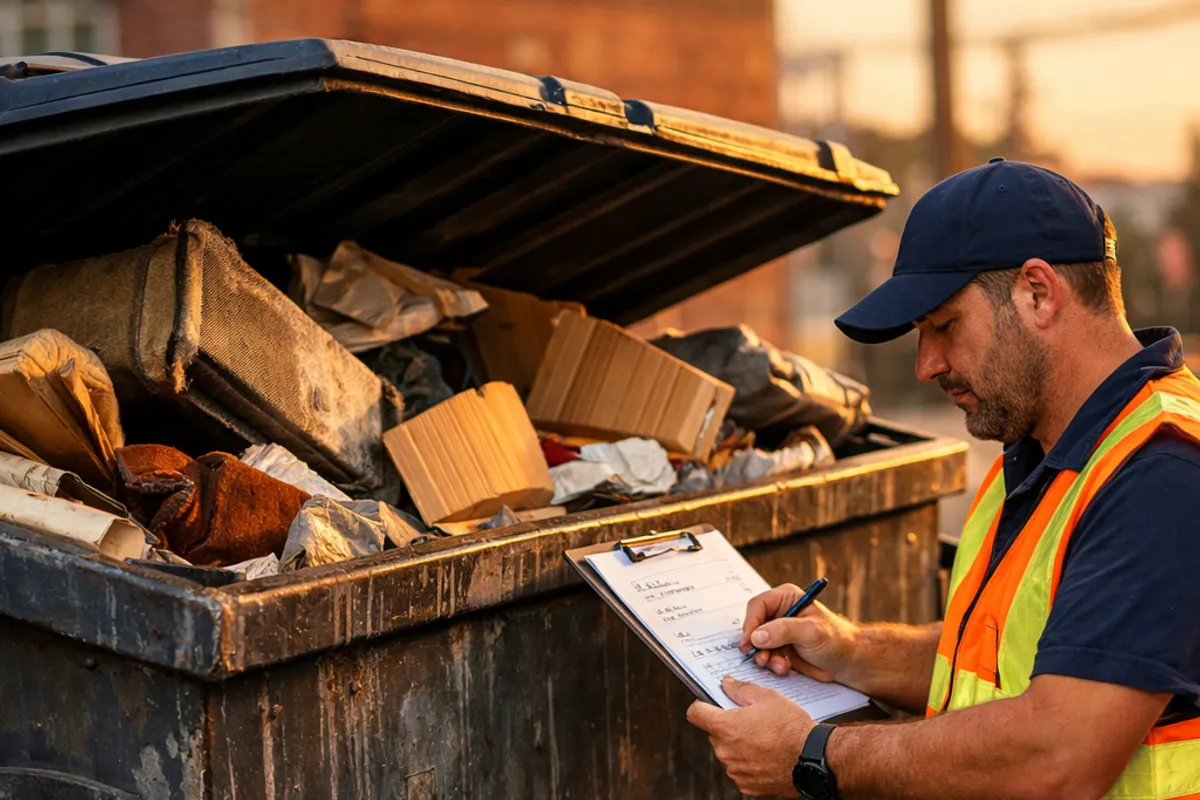
New York State law prohibits throwing electronics in the trash, full stop. Televisions, computers, monitors, printers, and similar devices must be recycled through certified e-waste channels. The same applies to certain household hazardous materials like paint, batteries, and fluorescent bulbs. These items require specific disposal methods, and a legitimate hauling company will know exactly how to handle them.
This is where cutting corners really costs you. Some low-cost haulers will take everything without asking questions, which sounds great until you realize they’re dumping it illegally. The proper disposal of old electronics is something worth understanding before your next cleanout, the process is more straightforward than most people expect when you have the right team handling it.
Customers who’ve worked with professional, licensed services consistently mention the same thing: the peace of mind that comes from knowing their items were handled responsibly. That’s not a small thing when you’re talking about materials that can cause real environmental harm if mismanaged.
Permits, Dumpsters, and the Fine Print Nobody Reads
Thinking about renting a dumpster for a big cleanout? In New York City, placing a dumpster on a public street requires a permit from the Department of Transportation. That permit costs money, takes time to process, and comes with rules about placement, duration, and signage. Skip the permit and you’re looking at fines and the possibility of the dumpster being towed.
For most residential and small commercial cleanouts, a full-service junk removal company is actually the more practical option. They bring a truck, load everything themselves, and handle disposal, no permit required on your end. You can explore professional junk removal services across NYC to get a clearer picture of what that process looks like and what it typically costs.
The regulations around waste removal in this city exist for real reasons, protecting neighborhoods from illegal dumping, keeping hazardous materials out of landfills, and maintaining some order on streets that are already under constant pressure. Working with a licensed, experienced hauler isn’t just about convenience. It’s about doing things the right way in a city that takes its rules seriously. When you know what’s required, the whole process becomes a lot less stressful.
Frequently Asked Questions
How do I know if a junk removal company in New York City is actually licensed to operate?
Ask them directly for proof of their Business Integrity Commission (BIC) license before they load anything onto their truck. Legitimate haulers make this information easy to find, on their website, on their truck, or by simply handing it over when you ask. If they hesitate or dodge the question, that’s a clear sign to walk away and call someone else.
Can I just pile old furniture on the sidewalk when I’m cleaning out my apartment?
You can put out bulk items for sanitation pickup, but only on specific collection days and with strict rules about placement and timing, getting it wrong can result in a real sanitation fine. Construction or renovation debris is a completely separate category and cannot go to the curb at all; that material requires a licensed hauler to remove it properly. If you’re doing any kind of renovation cleanout, hiring a professional isn’t just easier, it’s the legally required move.
What happens to my old TV or computer if I just hand it off to a cheap hauler?
New York State law prohibits throwing electronics in the trash, so if a low-cost hauler takes your old TV without asking questions, there’s a real chance it’s being dumped illegally rather than recycled through certified e-waste channels. That matters because improperly dumped electronics cause genuine environmental harm, and the same goes for items like paint, batteries, and fluorescent bulbs. A licensed hauler will know exactly which disposal channels to use for each of these materials.
If waste from my address gets traced to an illegal dump site, am I responsible even if I hired someone else to haul it?
Yes, that’s a real risk the article specifically flags, property owners can sometimes be held liable if waste originating from their address turns up at an illegal dump site. This is exactly why using an unlicensed hauler to save a few dollars can end up costing you far more in the long run. Hiring a BIC-licensed company gives you a documented, traceable chain of custody for your waste.
Do I need to pull a permit myself if I want to rent a dumpster for a big cleanout in NYC?
If the dumpster goes on a public street, yes, you need a permit from the Department of Transportation, which costs money and takes time to process, and comes with rules about placement, duration, and signage. Skip the permit and you’re looking at fines, and the dumpster can actually be towed. For most residential and smaller commercial cleanouts, booking a full-service junk removal company is the more practical route since they bring a truck, do the loading, and handle disposal without putting the permit burden on you.
🎧 Listen to this as a podcast
Also on Apple Podcasts, Spotify, and Amazon Music.