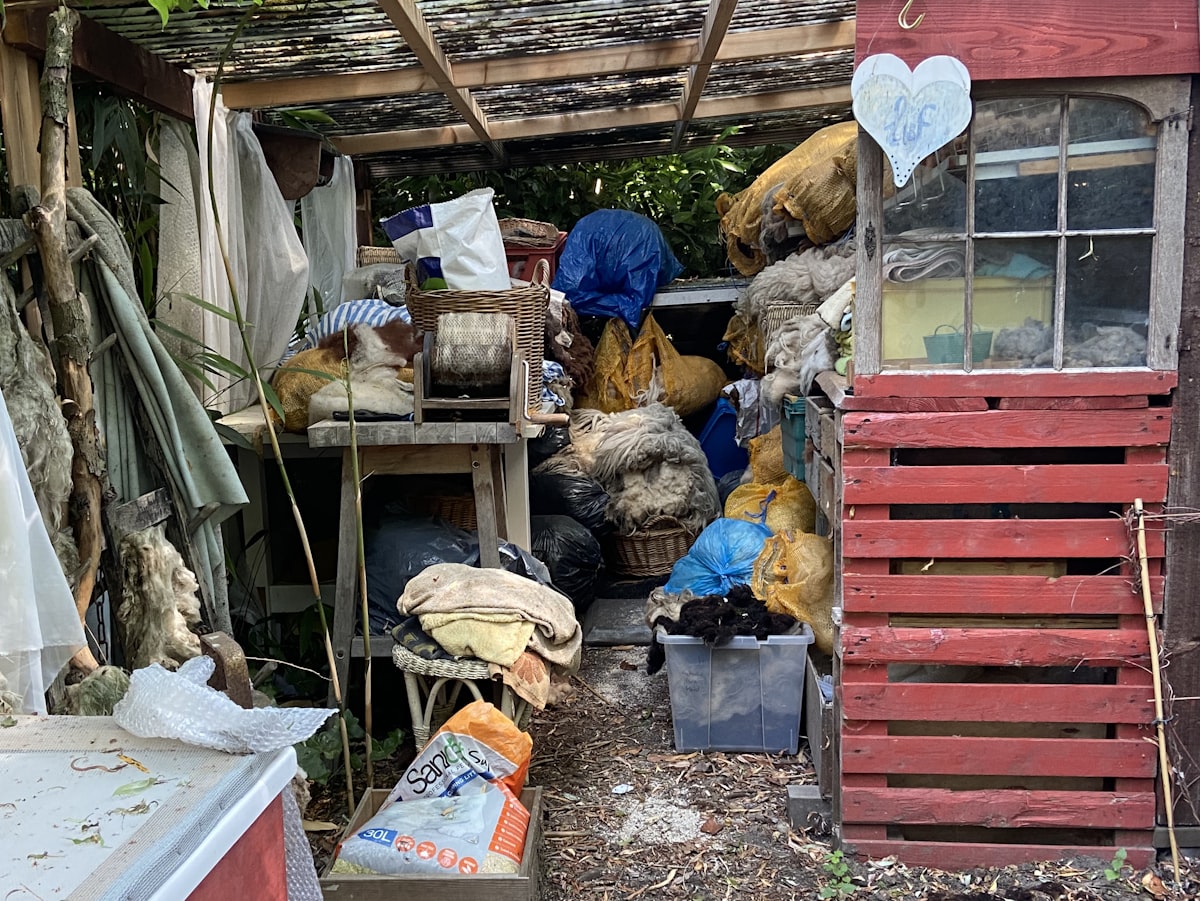
If you’ve got junk NYC residents know all too well, summer is when it really starts to pile up. Between spring cleaning that dragged into June, apartment moves clustered around lease renewals, and finally tackling that storage unit you’ve been avoiding, the warm weather brings a perfect storm of clutter. But here’s what most people don’t realize: waiting until everyone else decides to clean out their space means you’re competing for truck space, dealing with higher prices, and watching your junk sit around for weeks while removal companies work through their backlog.
The reality is that New York City generates more residential waste per capita than almost any other American city, and summer amplifies this problem exponentially. When you combine small living spaces with the psychological push to “start fresh” that warm weather brings, you get mountains of unwanted furniture, electronics, and random household items clogging up apartments across all five boroughs.
Why Your Timing Actually Matters More Than You Think
Most people assume junk removal works the same way year-round. Call a company, they show up, problem solved. That’s true in theory, but summer in New York City operates under completely different rules. Between Memorial Day and Labor Day, removal companies see demand spike by 40-60% compared to winter months. This isn’t just about more people cleaning out their spaces—it’s about the concentration of apartment turnover.
Lease renewal dates in NYC cluster heavily around summer months, particularly June through August. Landlords know this, which is why you see moving trucks triple-parked on every block in Manhattan and Brooklyn during these months. What you don’t see is the backup this creates for junk removal services. That couch you want gone “sometime this week” might actually take ten days to remove during peak season, especially if you’re trying to coordinate around a move-out date.
Here’s the insider perspective: companies like Got Junk NYC, which operates across all boroughs, deliberately maintain larger crews during summer specifically because they know the volume is coming. But even with expanded capacity, the sheer number of cleanouts means you need to book earlier than you’d expect. Same-day service that’s readily available in February becomes next-day or even three-day service in July.
The Hidden Costs Nobody Warns You About
Summer cleanouts come with expenses beyond the removal fee itself. First, there’s the opportunity cost of waiting. That spare bedroom filled with boxes you keep meaning to sort through? If you’re paying $2,500 per month for a two-bedroom in Queens, you’re essentially spending $625 monthly to store junk. Over a three-month summer, that’s nearly $2,000 in rent for space you can’t actually use.
Then there’s the disposal surcharge that many people discover too late. New York City’s waste management infrastructure gets strained during summer months, and some removal companies pass along increased dump fees to customers. This isn’t universal, but it’s worth asking about upfront. A quote that looks reasonable in May might include a seasonal adjustment by July that adds 15-20% to your final bill.
The bigger hidden cost is actually what happens when you try to do it yourself. Renting a truck in NYC during summer costs more than winter rates, parking is nearly impossible to find, and you’ll spend an entire weekend hauling items when you could be doing literally anything else. One customer told a removal team they’d spent $400 on truck rental and parking tickets trying to clear out a basement themselves before finally calling for professional help. The professional service cost $350 and took two hours.
What Actually Qualifies as Removable (and What Doesn’t)
This is where people get stuck. You’ve accumulated stuff, you want it gone, but you’re not sure if a removal service will actually take it. The general rule: if you can point to it and it’s not hazardous waste, it can probably be removed. Furniture, appliances, electronics, boxes of random household items, old mattresses, exercise equipment gathering dust—all fair game.
What catches people off guard is the stuff that can’t be removed through standard services. Hazardous materials like paint cans, chemicals, asbestos, and certain types of batteries require specialized disposal. Most removal companies won’t touch these items because they’re legally prohibited from mixing them with regular waste streams. You’ll need to coordinate with NYC’s Department of Sanitation for hazardous waste collection days, which only happen a few times per year in each neighborhood.
Construction debris falls into a gray area. A few bags of drywall from a small repair job? Usually fine. An entire bathroom’s worth of demolished tile and fixtures? That requires a construction debris removal service with proper licensing. The distinction matters because using the wrong service can result in items being rejected at the dump, meaning they come back to your apartment.
Electronics are particularly important to handle correctly. New York State law prohibits disposing of electronics in regular trash, which means that old TV, broken laptop, and obsolete printer need to go through proper e-waste channels. Reputable removal companies know this and factor it into their service, but it’s worth confirming they’re actually recycling electronics rather than just dumping them illegally.
The Real Difference Between Cheap and Professional Service
You’ll find junk removal prices in NYC ranging from suspiciously cheap to eye-wateringly expensive. The gap isn’t arbitrary—it reflects fundamental differences in how companies operate. The $99 Craigslist guy with a pickup truck might seem appealing until you realize he’s not licensed, not insured, and might just dump your stuff in an empty lot in the Bronx instead of properly disposing of it.
Professional services cost more because they’re covering real expenses: commercial insurance, proper disposal fees, vehicle maintenance, trained crews, and business licensing. When Got Junk NYC quotes a price, it includes all of these factors plus the guarantee that items are being disposed of legally. That matters more than people realize, because illegal dumping can be traced back to you as the original owner, potentially resulting in fines.
The other difference is reliability. Summer is when fly-by-night operators proliferate, taking deposits and then disappearing or showing up three days late with excuses. Established companies with actual business addresses and customer reviews have reputations to protect. They show up when scheduled, work efficiently, and don’t leave your building’s lobby looking like a disaster zone.
There’s also the question of what happens to your items after removal. Cheaper services typically dump everything, while professional companies sort for donation and recycling. That barely-used desk you’re getting rid of might end up helping a nonprofit organization rather than sitting in a landfill. Some people care about this, others don’t, but it’s worth knowing where your stuff actually goes.
One aspect that separates professional services is their understanding of New York City’s unique waste challenges. The city’s density, parking restrictions, and building access issues require experience that generic national chains often lack. A crew that regularly works in NYC knows how to navigate narrow stairwells, deal with strict building management rules, and handle the logistics of removing items from a fourth-floor walkup.
How to Actually Prepare for a Smooth Removal
The difference between a two-hour removal and a four-hour ordeal often comes down to preparation. First, consolidate items in one area if possible. Crews work faster when they’re not hunting through your apartment for random items. If you’ve got stuff in the bedroom, living room, basement, and storage closet, gather it in one spot before they arrive.
Take photos of valuable items you’re discarding, particularly if you’re claiming them as tax deductions for donations. The IRS requires documentation, and a quick photo on your phone provides that proof. This applies mainly to furniture and larger items worth documenting.
Clear a path from your apartment to the building exit. This sounds obvious, but removal crews lose significant time navigating around obstacles. If you’re in a building with an elevator, reserve it for the removal time if possible. Some buildings require this anyway, but even if they don’t, it prevents delays and conflicts with neighbors.
Be present during the removal or have someone there who can make decisions. Crews occasionally encounter items that weren’t on the original list or find something that might be valuable. Having someone available
Frequently Asked Questions About Got junk NYC
How quickly can Got junk NYC come to remove my items?
Got junk NYC typically offers same-day or next-day service throughout New York City. When you call in the morning, they can often arrive that same afternoon to provide a free estimate and complete the removal. Their flexible scheduling accommodates urgent situations like last-minute moves, estate cleanouts, or emergency hoarding situations where you need immediate help.
What items can Got junk NYC remove from my NYC apartment or home?
Got junk NYC removes virtually everything including furniture, appliances, electronics, mattresses, construction debris, yard waste, and general household clutter. They handle bulky items like pianos, hot tubs, and exercise equipment that are difficult to move down NYC apartment stairs or elevators. However, they cannot accept hazardous materials like paint, chemicals, asbestos, or medical waste due to safety and disposal regulations.
How much does junk removal cost in NYC with Got junk?
Got junk NYC pricing is based on volume—how much space your items take up in their truck. They provide free, no-obligation estimates on-site before starting any work, so you’ll know the exact cost upfront. Prices typically range from $150 for small loads to $600+ for full truckloads, which is competitive for NYC where disposal costs and labor rates are higher than other areas.
Does Got junk NYC recycle or donate items, or does everything go to a landfill?
Got junk NYC prioritizes eco-friendly disposal by donating usable items to local NYC charities and recycling materials whenever possible. They partner with Goodwill, Salvation Army, and other organizations to give furniture and household goods a second life. Electronics are sent to certified e-waste recyclers, and construction materials are processed at recycling facilities, keeping as much as possible out of landfills.
Do I need to be present during the junk removal, or can Got junk NYC work while I’m away?
While Got junk NYC can work without you present if you clearly mark items for removal, it’s recommended you’re there for the initial estimate and to answer any questions. Being present ensures they remove exactly what you want and nothing gets taken by mistake. If you absolutely cannot be there, you can arrange access and provide detailed instructions, photos, or labels on items to be removed from your NYC property.