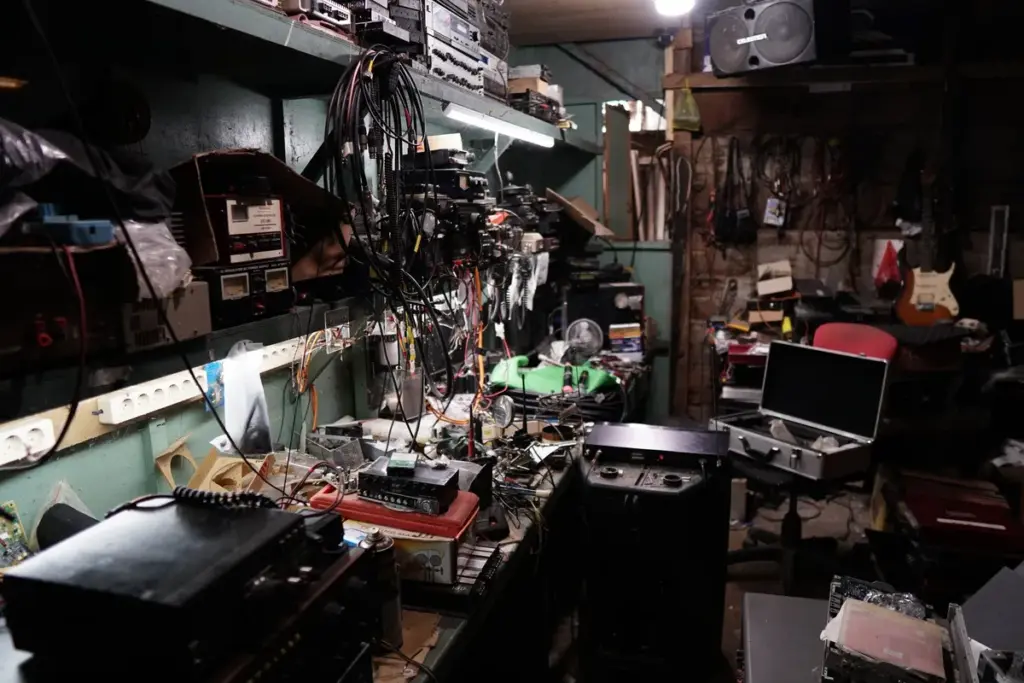
If you’ve been staring at a pile of dead laptops, tangled chargers, and a printer that stopped working sometime around 2019, you’re not alone, and if you’ve typed “got junk NYC” into a search bar at some point, you’ve already taken the first step toward dealing with it. Old electronics are one of the trickiest categories of household clutter to get rid of properly. You can’t just toss them in the trash. You can’t donate a cracked tablet with a dead battery. And leaving them on the sidewalk? That’s a fine waiting to happen. Here’s what you actually need to know.
Why Your Old Electronics Are a Bigger Problem Than You Think
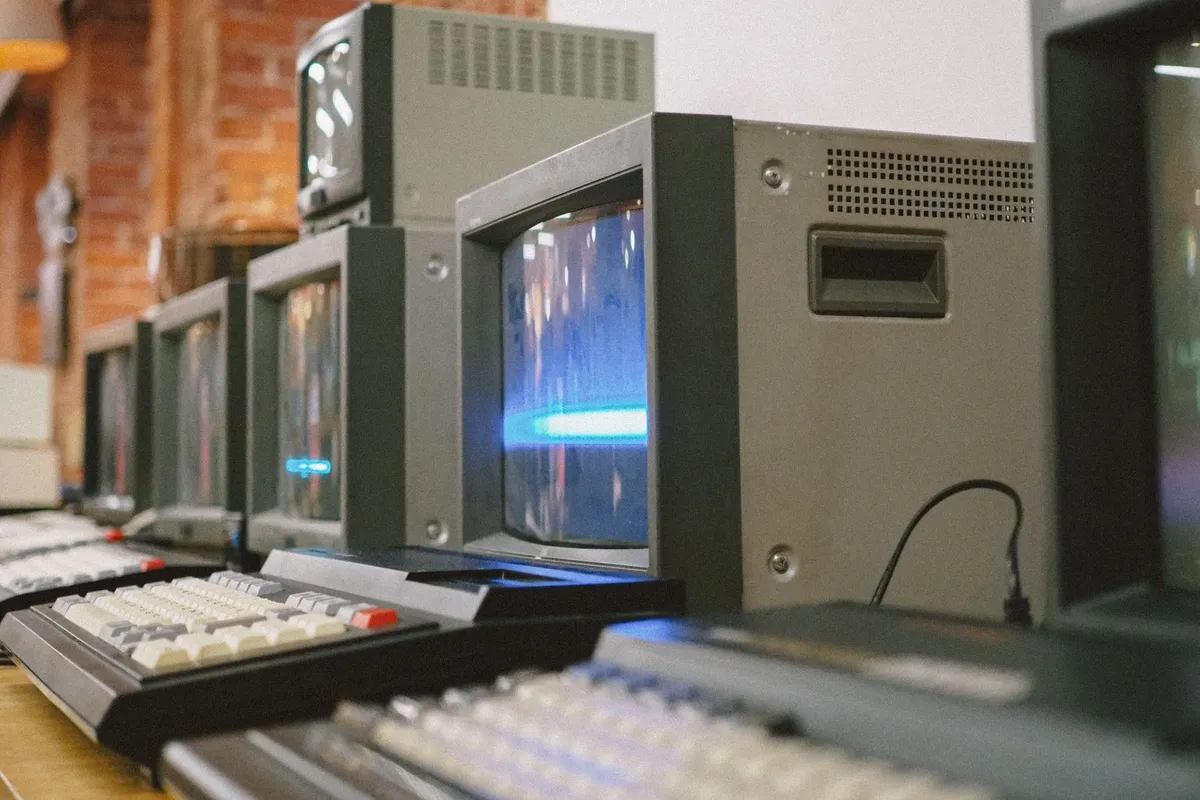
Most people assume e-waste is just an environmental buzzword. It’s not. Old electronics contain lead, mercury, cadmium, and other heavy metals that leach into soil and groundwater when they end up in a landfill. In New York City, it’s also illegal to throw most electronics in the regular trash, including televisions, computers, monitors, and small appliances. The city takes this seriously, and so should you.
Beyond the legal angle, there’s a data security issue that doesn’t get talked about enough. That old desktop computer sitting in your closet? It still has your files, your passwords, your tax returns on it. Simply deleting files doesn’t wipe a hard drive. Before any device leaves your hands, whether it goes to a recycler, a donation center, or a junk removal crew, make sure the data is properly erased. For most people, that means using a factory reset on phones and tablets, and a dedicated data-wiping program on computers. When in doubt, physically destroying the hard drive is the most foolproof option.
Where Electronics Actually Go When You Get Rid of Them Right
New York City has a few legitimate channels for electronics disposal, and knowing which one fits your situation saves a lot of headache.
Manufacturer take-back programs are one of the most underused options. Under New York State’s Electronic Equipment Recycling and Reuse Act, manufacturers are required to take back their own products for free. Apple, Dell, Best Buy, and others all have programs where you can drop off or mail in old devices. It costs nothing, and the equipment gets processed responsibly.
NYC’s SAFE disposal events run throughout the year across all five boroughs. These are specifically designed for hard-to-dispose items like electronics, batteries, and certain appliances. The NYC Department of Sanitation posts the schedule online, and the events are free for residents. If you have just a few items and some patience, this is a solid route.
Certified e-waste recyclers are another option, especially for businesses clearing out office equipment in bulk. Look for recyclers certified under the R2 or e-Stewards standards, these certifications mean the facility meets strict environmental and data security requirements. Avoid any recycler that can’t tell you where your equipment ends up. Some so-called recyclers simply ship e-waste overseas, where it’s processed in dangerous conditions.
For anyone dealing with a large-scale cleanout, an office move, an estate, a storage unit full of old gear, working with a professional junk removal service that handles electronics responsibly is often the most practical solution. A good crew will sort what can be recycled, what can be donated, and what needs to go to a certified facility, so you don’t have to manage three separate trips across the city.
The Donation Trap, and When It Actually Works
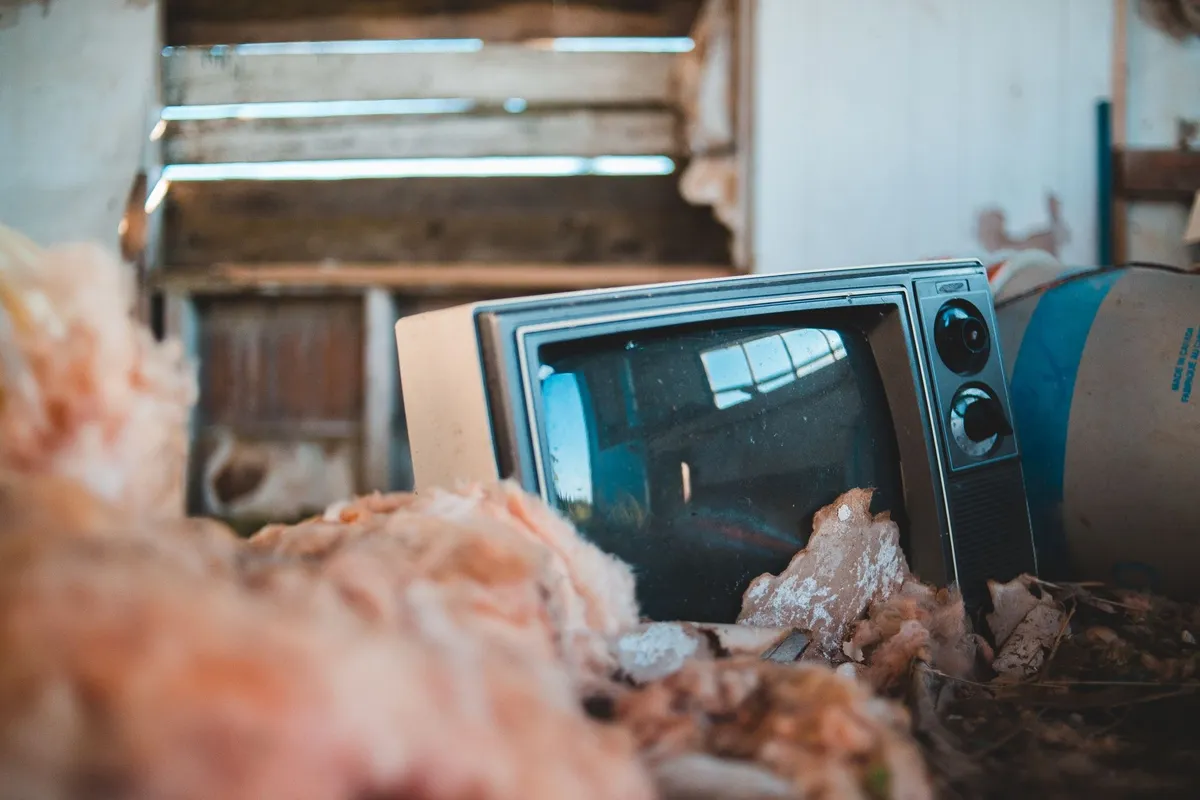
A lot of people default to “I’ll just donate it” when they want to feel good about getting rid of old electronics. That instinct is right in theory, but wrong in practice more often than not. Goodwill and most thrift stores stopped accepting electronics years ago because they couldn’t move them. Showing up with a box of old laptops and a 2009 flat-screen is going to get you turned away at the door.
That said, donation absolutely works when the item is functional and relatively recent. Organizations like PCs for People and Human-I-T refurbish working computers and redistribute them to low-income families and nonprofits. A laptop from 2018 that powers on and runs decently? That’s genuinely useful to someone. A laptop with a cracked screen, a dead battery, and a corrupted operating system? That’s recycling material, not a donation.
Be honest with yourself about what you’re giving away. Donating broken electronics to feel better about not throwing them out just shifts the disposal burden to someone else, usually a nonprofit that doesn’t have the budget to deal with it.
Making the Whole Process Less Painful
The biggest reason people let old electronics pile up for years is that the disposal process feels complicated. It doesn’t have to be. Start by sorting what you have into three categories: items that still work and are recent enough to donate, items that are broken but complete enough for a manufacturer take-back or certified recycler, and items that are truly end-of-life junk.
Once you’ve sorted, the path forward for each pile becomes obvious. Many customers who’ve worked with Junk removal service in NYC say the biggest relief was simply having someone else handle the logistics, showing up, loading everything, and making sure it went to the right place. That’s especially true for larger cleanouts where you’re dealing with more than just a few devices. If you’re tackling a full apartment or office clear-out, this guide to stress-free apartment cleanouts in NYC covers the full process in detail.
Electronics don’t have to be the thing that derails an otherwise straightforward cleanout. Know the rules, be realistic about what’s actually donatable, wipe your data, and get the right help for the volume you’re dealing with. That’s really all there is to it.
Frequently Asked Questions
Is it actually illegal to throw old TVs and computers in the regular trash in NYC?
Yes, under New York City law, you cannot toss televisions, computers, monitors, and most small appliances in the regular garbage. The city enforces this, and leaving electronics on the curb without going through a proper disposal channel can result in a fine. Your safest options are manufacturer take-back programs, NYC SAFE disposal events, or a junk removal service that handles electronics responsibly.
Do I really need to wipe my data before handing old devices over to a junk removal crew?
Yes, and this step matters more than most people realize, that old desktop or laptop likely still has tax returns, passwords, and personal files on it even if you think you deleted everything. Simply deleting files does not wipe a hard drive, so use a factory reset for phones and tablets and a dedicated data-wiping program for computers. If you want to be completely sure, physically destroying the hard drive before the device leaves your hands is the most foolproof method.
What’s the difference between a legitimate e-waste recycler and one I should avoid?
Look for recyclers certified under R2 or e-Stewards standards, these certifications mean the facility meets strict requirements for both environmental handling and data security. If a recycler can’t clearly tell you where your equipment ends up after drop-off, that’s a red flag. Some operations that call themselves recyclers simply ship e-waste overseas, where it gets processed in dangerous conditions.
Can I donate my old laptop to Goodwill or a thrift store in NYC?
Most Goodwill locations and thrift stores stopped accepting electronics years ago because they couldn’t sell them, so you’ll likely get turned away at the door. Donation works when the device is functional and recent enough to actually be useful, organizations like PCs for People and Human-I-T take working computers and redistribute them to low-income families and nonprofits. A laptop from 2018 that powers on and runs decently qualifies; one with a cracked screen, dead battery, and corrupted operating system does not.
Are NYC’s SAFE disposal events free, and how do I find out when they’re happening?
Yes, SAFE disposal events are free for NYC residents and run throughout the year across all five boroughs. They’re specifically set up for hard-to-dispose items like electronics, batteries, and certain appliances, so they’re a solid route if you only have a few devices and can work around the schedule. The NYC Department of Sanitation posts the full event calendar online, so check there for dates and locations near you.
🎧 Listen to this as a podcast
Also on Apple Podcasts, Spotify, and Amazon Music.