
If you’ve been sitting on a pile of old furniture, broken appliances, or years of accumulated clutter, the phrase got junk NYC probably feels less like a question and more like a daily reality. The good news? There’s never been a smarter moment to do something about it, and the reasons go well beyond just wanting a cleaner apartment.
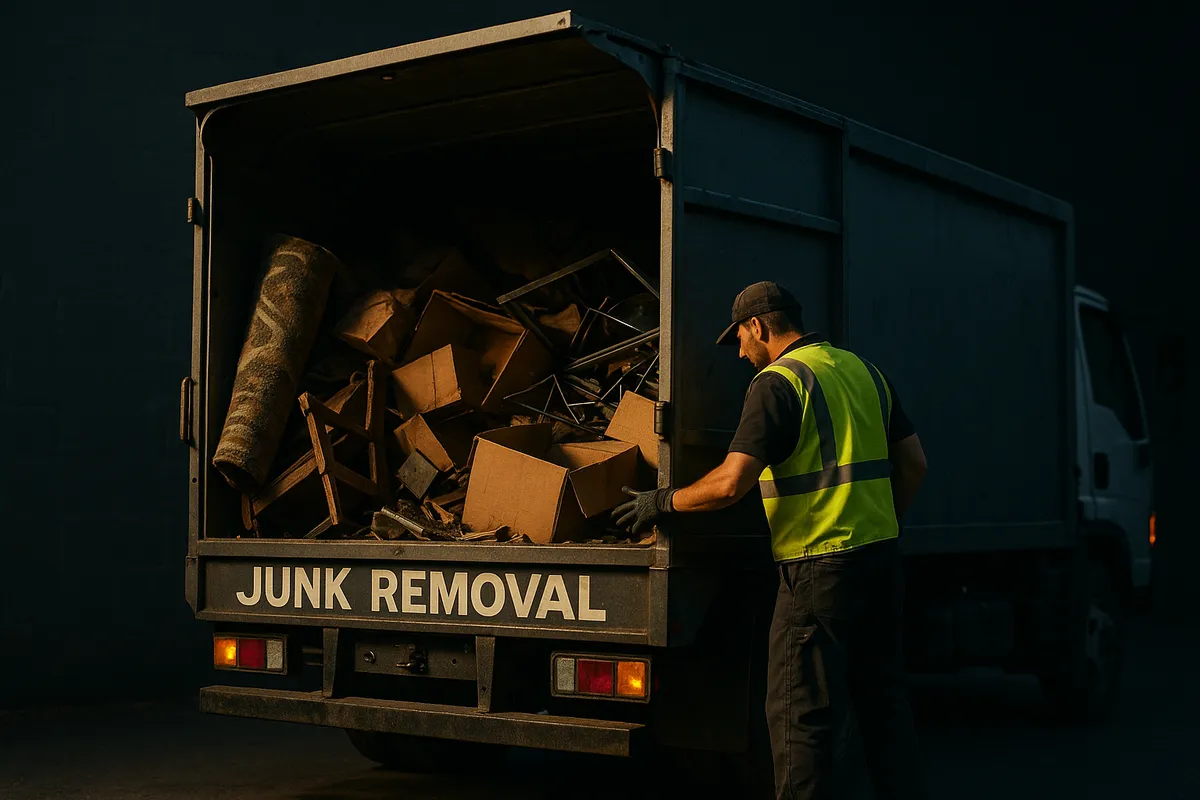
The City Never Stops Moving, and Neither Should Your Clutter
New York operates at a pace that makes procrastination expensive. Lease turnovers happen fast. Building managers lose patience faster. Whether you’re preparing for a move, clearing out a loved one’s apartment, or just reclaiming space in a cramped Brooklyn brownstone, waiting on junk removal has real consequences here that it simply doesn’t have in other cities.
Storage unit costs in NYC are among the highest in the country. People pay $200, $300, sometimes $400 a month just to hold onto things they haven’t looked at in two years. When you do the math, getting rid of that stuff today isn’t just satisfying, it’s financially smart. The longer you hold onto junk, the more it costs you, either in storage fees, lost square footage, or the mental weight of knowing it’s still there.
Right now, as the city shifts between seasons, landlords are pushing turnover timelines and co-op boards are tightening rules about hallway storage and basement clutter. That pressure isn’t going away. If anything, it’s intensifying.
What Makes This Moment Different From Six Months Ago
Demand for junk removal services tends to spike in spring and again in late summer, which means scheduling gets tight and availability shrinks. Right now, that window between peak seasons gives you a real advantage. You can often get same-day or next-day removal across all five boroughs without the usual scramble for an open slot.
That matters more than people realize. When demand surges, prices can creep up and scheduling flexibility disappears. Booking during a calmer window means you get better service, more attention, and often a faster turnaround. It’s the same logic as avoiding the lunch rush, the experience is just better when things aren’t slammed.
There’s also something to be said for the psychological timing. Post-summer, people tend to reassess. Kids go back to school, routines reset, and suddenly that garage full of old exercise equipment or the attic packed with furniture from three apartments ago feels genuinely urgent. That instinct is worth acting on.

NYC Has Its Own Rules, and Junk Removal Here Reflects That
This city doesn’t operate like anywhere else, and that extends to how removal jobs actually work on the ground. Narrow hallways, no-elevator walk-ups, strict building policies, alternate-side parking complications, co-op board regulations, these aren’t abstract concerns. They’re the daily reality of getting a couch out of a fifth-floor Queens apartment or clearing a basement in a Bronx multi-family building.
It’s why local experience matters so much. A crew that’s worked across Manhattan, Brooklyn, Queens, Staten Island, and the Bronx understands the logistics that out-of-town services simply don’t anticipate. They know which buildings require freight elevator reservations, which streets have loading restrictions, and how to handle a job efficiently without turning a two-hour project into an all-day ordeal. If you want to understand how much neighborhood specifics can shape a removal job, this breakdown of how neighborhood challenges affect your removal needs is worth a read before you book.
People who’ve used experienced local crews consistently say the same thing: they wish they hadn’t waited. The relief of having it handled quickly, cleanly, and without drama is something that’s hard to put a price on, but it’s especially true in a city where your living space is already at a premium.
The Hidden Cost of Waiting Just a Little Longer
There’s a version of this story that plays out constantly across the city. Someone holds onto a broken treadmill, a water-damaged dresser, or three generations of accumulated belongings because the timing never feels quite right. Then a lease ends, a renovation starts, or a family situation changes, and suddenly they need everything gone in 48 hours under real pressure.
Rushed removal jobs are stressful. They’re also more expensive when you’re scrambling for availability. The people who handle this well are the ones who act when they have breathing room, not when their backs are against the wall.
Right now, you have that breathing room. The city is between its two busiest removal seasons. Scheduling is more flexible. And the longer that pile of junk sits in your space, the more it quietly shapes your daily life, taking up room you could be using, adding friction to your morning, and sitting in the back of your mind as something you still need to deal with.
Clearing it out isn’t just about getting rid of stuff. In a city where space is everything, it’s about reclaiming something genuinely valuable. The moment to do it is now, while the doing is easy.
Frequently Asked Questions
How much can I actually save by booking junk removal now instead of waiting until spring?
During peak seasons in spring and late summer, scheduling gets tight across all five boroughs and prices tend to creep up as demand surges. Booking during the calmer window between those peaks means better availability, more flexibility, and often same-day or next-day pickup without the scramble. If you’re also paying $200 to $400 a month for a storage unit to hold things you haven’t touched in two years, clearing it out now makes the math even more obvious.
Why does it matter whether the crew has worked specifically in NYC neighborhoods?
Buildings here come with real logistical complications, freight elevator reservations, loading restrictions on certain streets, co-op board rules, narrow hallways, and fifth-floor walk-ups with no elevator in sight. A crew that hasn’t worked across Manhattan, Brooklyn, Queens, the Bronx, and Staten Island won’t anticipate those details, and a job that should take two hours can turn into an all-day ordeal. Local experience isn’t a nice-to-have here; it’s what keeps a removal job from becoming a headache.
What happens if I wait until I’m under pressure, like a lease ending or a renovation starting?
Rushed removal jobs are more stressful and more expensive because you’re scrambling for availability at exactly the moment when your options are narrowest. The article is direct about this: the people who handle it well are the ones who act when they have breathing room, not when their backs are against the wall. Waiting until a hard deadline forces the issue almost always makes the whole thing harder than it needed to be.
Are building rules around hallway storage and basement clutter actually getting stricter, or is that overstated?
According to the article, co-op boards are actively tightening rules about hallway storage and basement clutter right now, and landlords are pushing faster turnover timelines as the city shifts between seasons. That pressure is described as intensifying, not leveling off. If your building hasn’t flagged it yet, that doesn’t mean it won’t.
Is there a point where holding onto things in a storage unit makes more financial sense than paying for removal?
Not really, based on the numbers in the article. At $200 to $400 a month for storage in NYC, some of the highest rates in the country, you’re often paying that fee for items you haven’t looked at in years. A one-time removal cost almost always comes out ahead when you run the math against even a few months of storage fees. The article frames it plainly: getting rid of it today is financially smart, not just satisfying.
🎧 Listen to this as a podcast
Also on Apple Podcasts, Spotify, and Amazon Music.